

-
 View More
Gate valves applications and uses span across critical industries—from oil and gas to municipal water treatment—where reliable on-off flow control, minimal pressure drop, and long service life are essential. As a global leader in valve engineering, Savvy Valves – Engineering Excellence in Valve Solutions for Global Industries specializes in designing and manufacturing high-performance gate valves
-
 View More
Actuated choke valve —including flexible adjustable choke valve and efficient auto choke valve models—are vital for precise flow control in high-stakes industries like oil & gas, petrochemicals, and power generation. These valves regulate fluid pressure and flow rates, so consistent maintenance is non-negotiable to avoid operational disruptions (which can cost businesses tens of thousands in downt
-
 View More
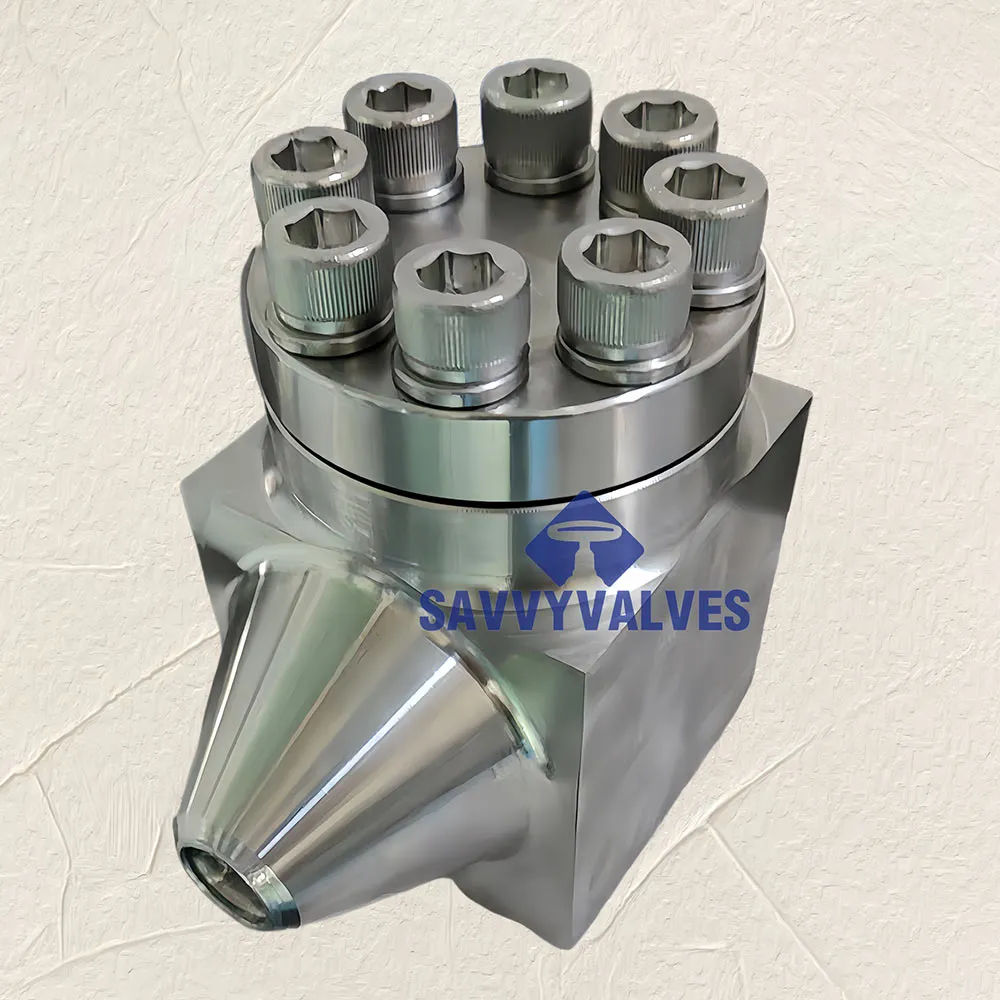
Metal butterfly valve, metal to metal butterfly valve, metal to metal seated butterfly valves, metal seated butterfly valve, and especially the triple offset metal seated butterfly valve are key solutions in the manufacturing industry, specifically within General equipment manufacturing and Valve and plug manufacturing. This article explores how SAVVY VALVES CO.,LTD. supports professionals with du
-
Understanding Non-Slam Axial Check Valves: Industry Trends and Technological Evolution The global industrial landscape, especially sectors like oil & gas, petrochemicals, power generation, and water treatment, continuously demands highly reliable and efficient flow control solutions. Among these, the non slam axial check valve stands out as a critical component. Its design specifically addresses c
-
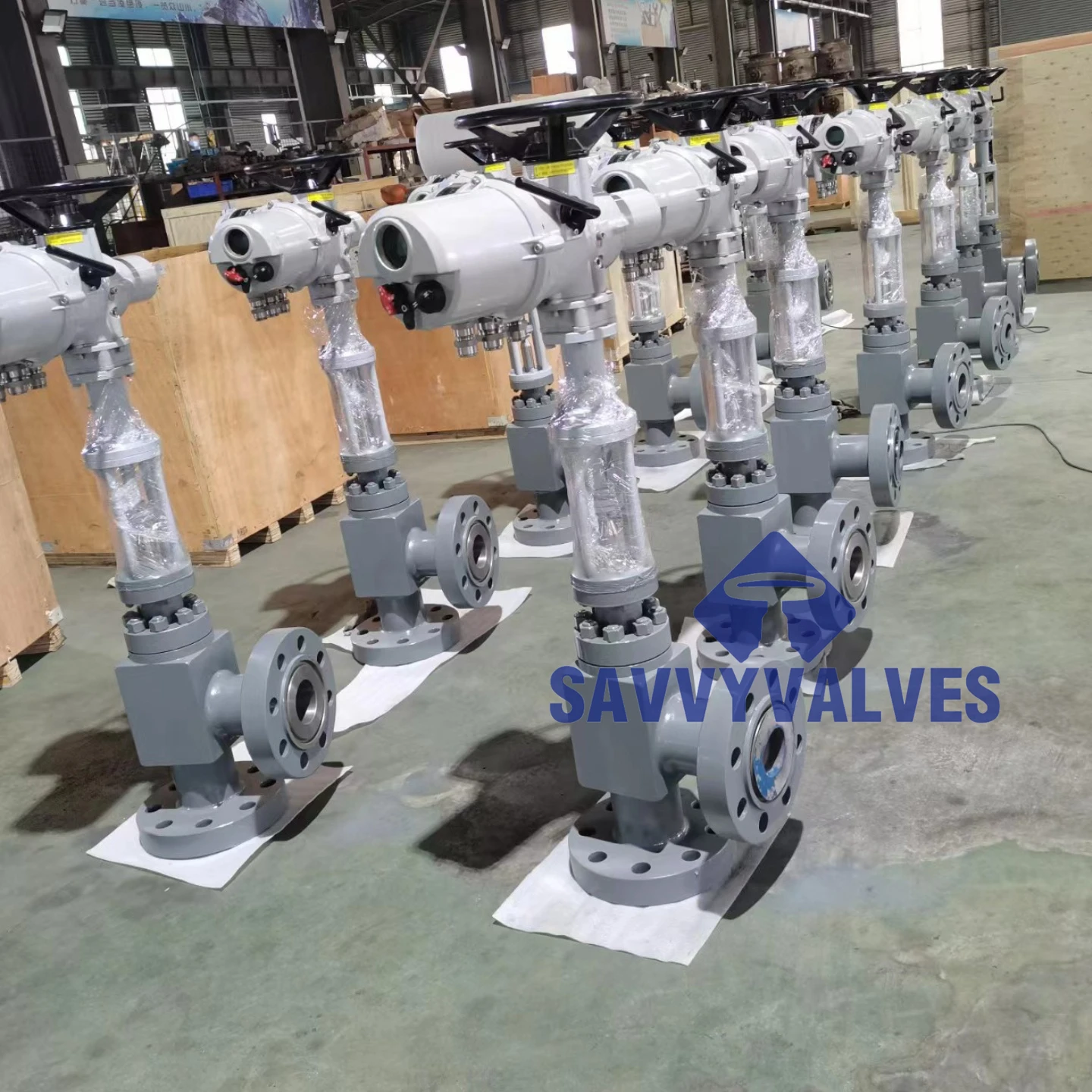
Control valves —including standard control valve models and high-performance hydraulic control valve variants—are the backbone of flow regulation in industries like oil & gas, petrochemicals, and power generation. Even the most durable control valves face common failures over time, which can disrupt operations and lead to costly downtime. For wholesalers supplying these critical components, partne
-
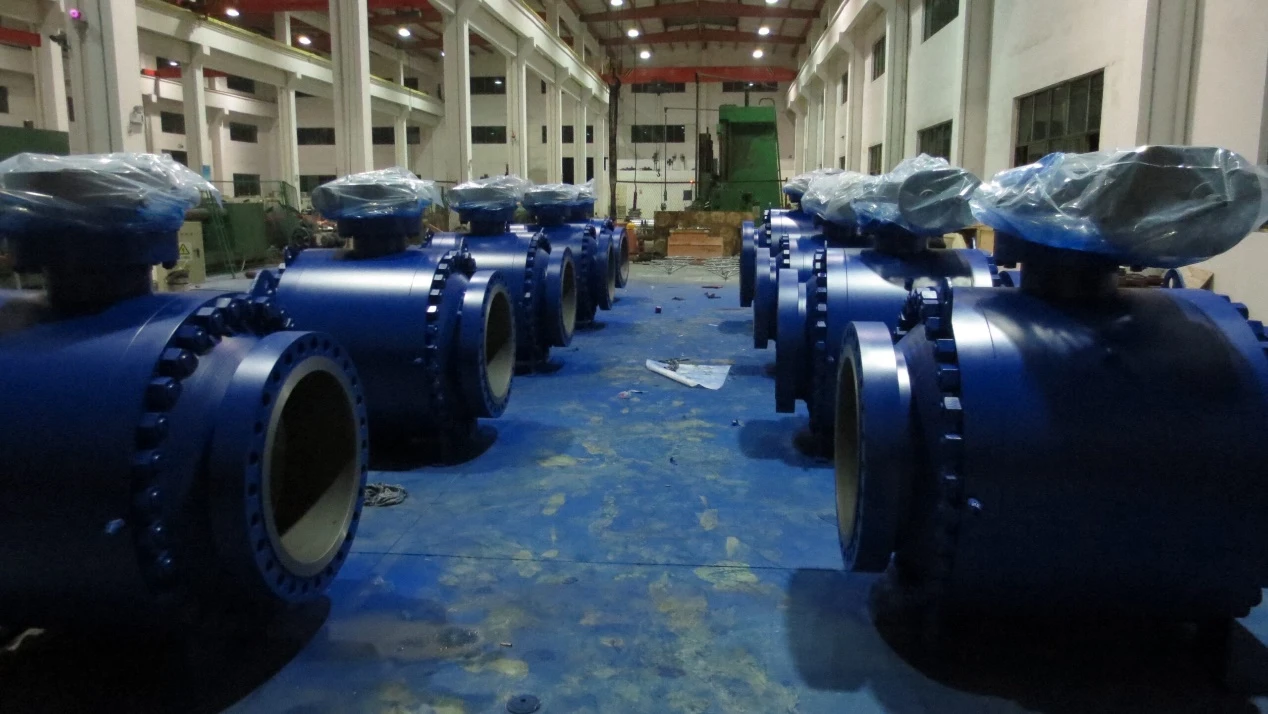
Control valves —including standard control valve models and high-performance hydraulic control valve variants—are the backbone of flow regulation in industries like oil & gas, petrochemicals, and power generation. Even the most durable control valves face common failures over time, which can disrupt operations and lead to costly downtime. For wholesalers supplying these critical components, partne
-
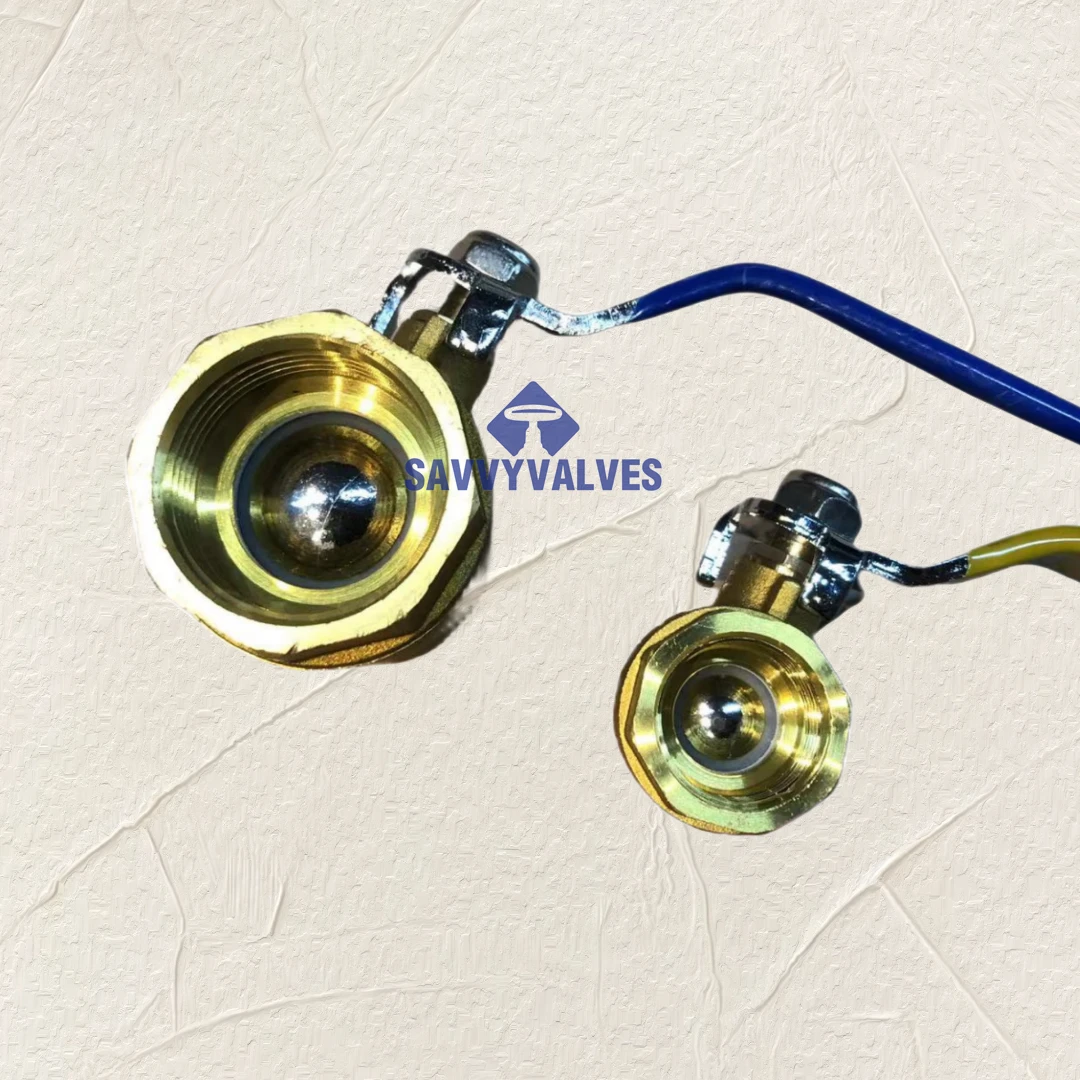 Marine U Section Double Flange Butterfly Valve - SAVVY VALVES_Precision Engineering&Industrial F2026-04-02 12:41Image 1: Marine U Section Double Flange Butterfly Valve Introduction The Marine U Section Double Fla
 -
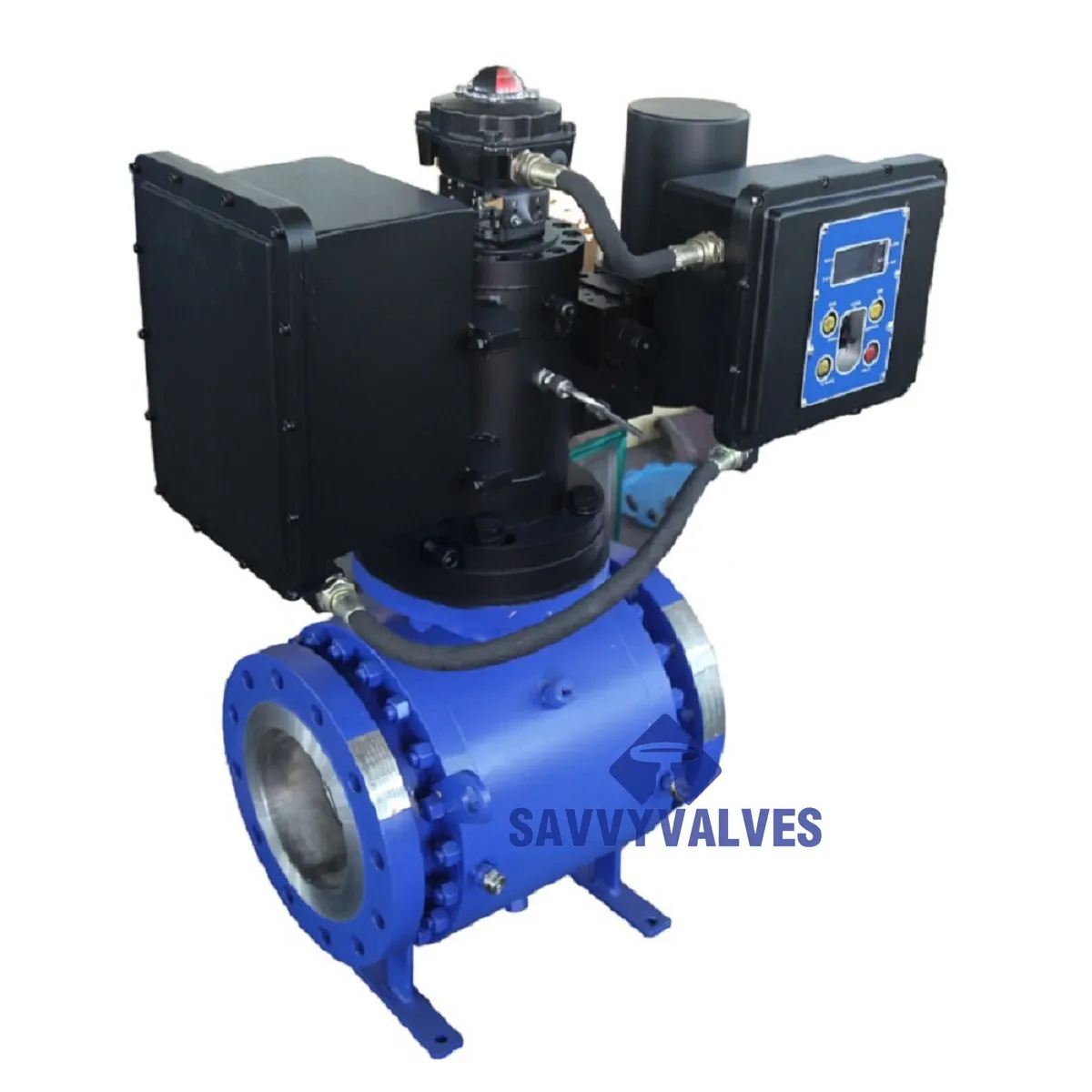 The Benefits of Brass Ball Valves for Your Applications2026-04-02 12:00If you’re looking for a durable, reliable, and efficient valve solution, brass ball valve s are an e
 -
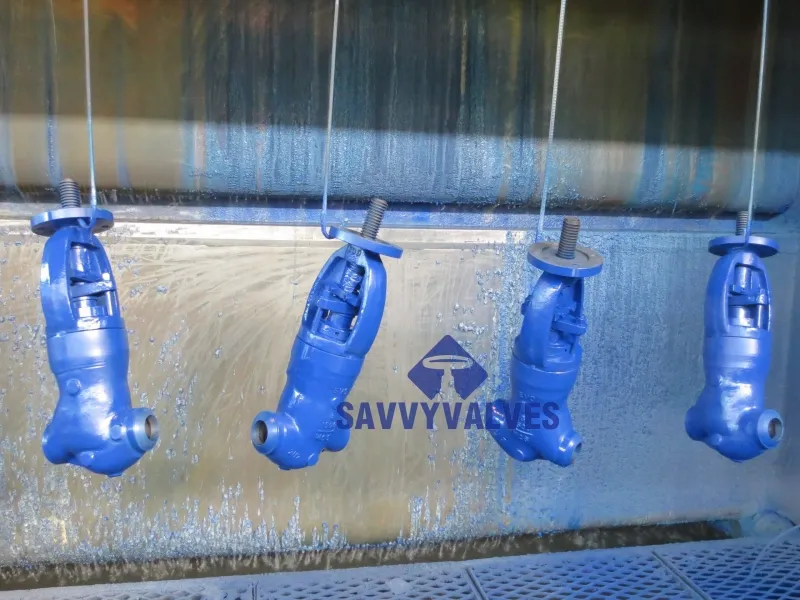 The Essential Guide to Stainless Steel Knife Gate Valves2026-04-02 10:39Stainless steel knife gate valve s are critical components in various industrial applications, renow


The forged steel lift check valve stands at the forefront of flow control innovations—meeting the highest demands of reliability, pressure containment, and corrosion resistance in critical pipeline applications. Leveraging advanced forging and precision CNC techniques, contemporary check valve lift type products (such as the API 602 Pattern Forged Lifting Check Valve ) deliver robust performance across petrochemical, metallurgy, water treatment, and power sectors. 1. Industry Trends: Market Dynamics for Forged Steel Lift Check Valves Global demand for forged steel lift check valve solutions is surging, driven by stringent safety standards (ISO 9001:2015, API, ANSI), increasing operating pressures (up to 420 Bar), and the transition towards environmentally friendly, leakage-proof flow systems. 2023 global industrial valve market size: $85.9 billion (Statista, 2023) Projected CAGR of lift type check valves (2024–2029): 5.1% (MarketsandMarkets, 2024) Main growth sectors: Petrochemical, Power Generation, Water & Wastewater Management, Oil & Gas, Metallurgy 2. Technical Parameters: Deep Dive Into Lift Check Valve Design & Performance 2.1 What Sets Forged Steel Lift Check Valve Apart? Forged steel lift check valves are engineered for rigorous environments. The key features revolve around: Forged Body: High-grain density, zero porosity, industry-leading mechanical strength CNC Machined Internal Components: Precision-fitted seat/disc assembly minimizes backflow and wear Material Options: ASTM A105, F304(L), F316(L), F51, F53 & Alloy Steel (see chart below) End Connections: Socket Weld (SW), Threaded (NPT/BSP), Butt Weld (BW), Flanged Pressure Classes: ANSI Class 150 – 2500# (PN16–PN420) Temperature Range: -46°C to +550°C depending on seat and body material Forged Steel Lift Check Valve - Technical Parameters Overview Parameter Typical Range/Value Standard/Spec Body Material A105, F304(F304L), F316(F316L), F51, F91 ASTM/ASME B16.34 Pressure Rating Class 150 – 2500 / PN16 – PN420 ANSI B16.34, API 602 Seat Material 13Cr, STL, F6a, PTFE, EPDM N/A Connection Type SW, NPT, BSPT, BW, Flanged ASME B16.11/B1.20.1 Test Standard API 598, EN12266-1 API/ISO Size Range DN8–DN100 (1/4"–4") API 602 Operating Temp -46°C to +550°C Material Dependent Medium Steam, Oil, Gas, Water, Corrosive Fluids Application Specific 3. Manufacturing Process: Forged Steel Lift Check Valve Explained The forged steel lift check valve undergoes rigorous manufacturing stages to ensure structural integrity and superior sealing. Key steps are illustrated in the process diagram below: 1. Raw Material Selection (ASTM-certified round bar steel) → 2. Forging & Hot Forming (High-pressure precision forging) → 3. Heat Treatment (Normalizing, tempering to boost microstructure) → 4. CNC Machining (Valve seat, disc, stem precision shaping) → 5. Assembly (Precision fit of seat & disc) → 6. Pressure Testing (Hydrostatic & pneumatic per API 598) → 7. Surface Finishing & Corrosion Coating → 8. Marking, Packing & Documentation All processes conform to API 602, ISO 9001:2015, API 598, ASME B16.34 . Each forged steel lift check valve is serialized for traceable quality documentation. Final products undergo 100% seat leakage and shell pressure tests. 4. Technical Strength & Industry Certifications Forged Materials: Uniform grain orientation for maximum impact strength; mechanical performance 20-30% superior to cast valves. Product Longevity: Design life 15–25 years (statistical average in refineries/petrochemical pipelines). Anti-Corrosion: Stainless variants (F304, F316) pass over 5,000h salt-spray tests per ASTM B117. Leakage Resistance: API 602 lift check valves: seat leakage < 0.1ml/h at test pressure; zero visible leakage per API 598. Major International Valve Standards Referenced Standard Description Applies To API 602 Compact steel gate, globe, and check valves Design, dimensions ASME B16.34 Valves – Flanged, threaded, welding end Pressure–temp ratings, tests API 598 Valve inspection and test Pressure test, leakage, shell integrity ISO 9001:2015 Quality management Production, documentation, traceability 5. Product Comparison: API 602 Pattern Forged Lift Check Valve vs. Main Rivals Key Product Comparison Product Body Material Design Standard Pressure Rating Operation Lifespan API/ISO Certificate End Connection API 602 Pattern Forged Lifting Check Valve A105, F304, F316, F51 API 602 Class 800, 1500, 2500 20+ yrs API 602, ISO 9001 SW/NPT/BW/Flanged Cast Steel Swing Check Valve WCB, CF8, CF8M API 6D Class 150–600 10–15 yrs API 6D Flanged/BW Dual Plate Wafer Check Valve CF8, CF8M, DI API 594 Class 150–900 10–12 yrs API 594 Wafer Type Conclusion: The forged steel lift check valve leads in maximum pressure application, compact structure, extended lifespan, and multi-standard compliance compared to conventional cast or wafer types. 6. Product Data Visualization: Specs & Performance Charts Pressure Rating Comparison (PSI) Material Breakdown of Supplied Lift Check Valves (2024) Customer Failure Rate 2015–2023 (%) 7. Customization & Engineering Solutions Leading forged steel lift check valve suppliers provide tailored configurations for offshore, onshore, and specialty chemical plant projects: Exotic alloys for H₂S/CO₂ service ( NACE MR0175 compliance) Soft seats (PTFE, EPDM) for ultra-low leakage isolation Extended bonnet & cryogenic service Special surface coatings ( ENP, TCC, NiCr ) for aggressive medias Reduced bore or full bore design per application Delivery Cycle: Standard valves in 2–4 weeks, custom-engineered solutions in 6–8 weeks. Warranty: Up to 36 months, manufacturer-backed certification & traceability. 8. Typical Applications & Case Studies Oil Refinery Mainline: Prevents backflow of process fluids at 110 bar, increased replacement interval by 65% over cast valves. Offshore Gas Platform: Stainless forged steel lift check valve with duplex trim reduced corrosion events by 90% (2019-2023). Power Plant Feedwater System: API 602 solution maintained zero failures across 8 years; verified by operator field logs. Desalination Facility (Saudi Arabia): Over 500 units in duplex and super duplex provide anti-scaling performance in brine pipelines. End-User Feedback (2023): “Forged valves from Savvy Valve offered us 2X the lifecycle of previous cast models, and no unscheduled shutdowns for 5+ years.” – Southeast Asia Petrochemical Client 9. Certifications, Partners & Service Commitments Full compliance: API 602, API 598, ISO 9001:2015, CE, SIL3 (where required) Serving 600+ global clients in 49 countries; top 10 petrochemical and oil/gas EPCs as direct customers 24/7 technical support, rapid field interventions, API-certified inspection/reporting After-sales stock of critical components; performance monitoring consultation Contact for Custom Solution 10. Professional FAQ on Forged Steel Lift Check Valves Q1: What is the difference between “lift” and “swing” check valves? Lift check valves use a guided disc that moves vertically in response to pressure, closing via gravity/backflow—ideal for high-pressure, low-pulsation systems. Swing check valves have a disc hinged on a pivot, better for moderate pressure and larger passages but may suffer seat wear at high velocities. Q2: Which materials are recommended for corrosive or high-temperature media? Stainless steels (F304/F316), duplex (F51, F53), and special alloys (Monel, Inconel) are industry standards for harsh environments. Seat materials like STL and PTFE offer chemical and temperature resilience. Q3: Can the forged steel lift check valve be installed vertically and horizontally? Yes, lift type check valves can be installed in both orientations; however, horizontal mounting is preferred for optimal disc stability and minimal seat wear. Confirm with API 602 or system engineer for critical services. Q4: Which standards regulate leak tightness? API 598 and EN12266-1 govern test pressures, seat leakage classification, and inspection; ISO 5208 is also referenced by some clients for critical shutoff applications. Q5: What quality checks are performed before shipment? Every forged steel lift check valve undergoes hydrostatic/shell/seat tests, NDE (such as ultrasonic or dye penetrant inspection), dimensional verification, and traceable documentation per ISO 9001. Q6: Are there options for fugitive emission or fire-safe designs? Yes. Valves can be specified to ISO 15848-1 (fugitive emission) or API 607/API 6FA (fire-safe) upon request with certified graphite packing and secondary backseat. Q7: What is the best maintenance practice for maximizing valve life? Routine inspection for seat/disc cleanliness, scheduled cycling in low-flow systems, lubrication (when permitted), and prompt replacement of soft parts (seals/gaskets) using OEM kits will ensure optimum reliability and long service life. 11. Conclusion & References Forged steel lift check valve technology underpins modern critical flow applications, delivering unmatched reliability, compactness, and durability with API/ISO quality credentials. Whether you require oil, gas, chemical, or utility service, the API 602 Pattern Forged Lifting Check Valve sets a global benchmark in safety, performance, and customization. References: [1] Markets and Markets (2024): Check Valve Market Size & Trends [2] Valve Magazine: Forged vs Cast Valves in Critical Services [3] API – American Petroleum Institute: API Valve Standards [4] ASME B16.34 Info: Valve Standards Technical Library [5] API 602 Pattern Forged Lifting Check Valve Official Page